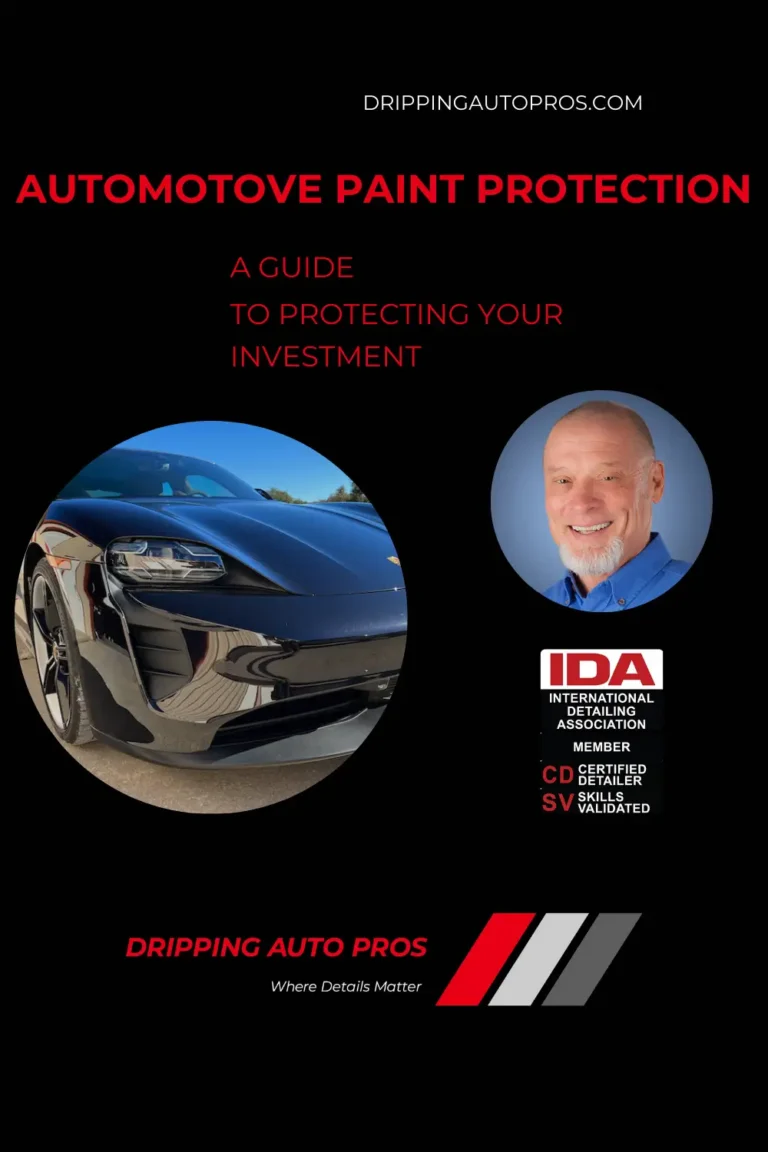
Your insurance policy might replace your vehicle after a total loss. However, it won’t stop a single rock chip from devaluing your asset by thousands of dollars during a Saturday drive through the Texas Hill Country. You’ve likely felt that familiar pang of anxiety when a gravel truck merges ahead on Highway 290, knowing that Austin’s intense UV rays are already working to oxidize your factory finish. True investment protection for exotic cars requires more than just a premium policy; it demands a defensive shield that preserves the physical integrity of the paint itself.
With the global luxury car market reaching a valuation of $628 billion in 2026, your high-performance vehicle is a significant financial asset that deserves a Master Craftsman’s touch. You’ll learn how to combine financial security with advanced surface technologies like XPEL Ultimate Plus and Revivify self-healing coatings to maintain a flawless finish. This guide details the essential steps to maximize your auction value while allowing you to enjoy the open road without the constant worry of every pebble on the pavement.
Key Takeaways
- Distinguish between insurance coverage and physical asset preservation to ensure your vehicle maintains its peak market value through every mile.
- Explore how elite auction houses utilize “Condition Grade” systems and why preventative surface care is more cost-effective than restorative paint correction.
- Learn to navigate the hierarchy of protective shields by combining PPF and self-healing coatings for a defense tailored to Austin’s unique driving conditions.
- Identify the “Austin Heat” factor and how to shield your vehicle’s finish from the aggressive UV exposure and limestone dust common in the Hill Country.
- Implement a comprehensive strategy for investment protection for exotic cars by prioritizing climate-controlled studio environments that ensure optimal bonding and curing of advanced layers.
Defining Investment Protection for Exotic Cars in 2026
In 2026, the strategy for investment protection for exotic cars has evolved far beyond simple insurance policies and climate-controlled storage. As the global luxury car market continues its climb toward a $1 trillion valuation by 2035, collectors in Central Texas are shifting toward a “Dual Pillar” philosophy. This approach recognizes that while a financial safety net is vital, it cannot replace the intrinsic value of a vehicle’s original, untouched surfaces. Protecting these assets is more complex than standard auto care because the factory finish is a non-renewable resource. Once a supercar’s paint is etched by Austin’s acidic insect remains or chipped by Hill Country gravel, its provenance is permanently altered.
Current market trends in 2026 show a significant premium for “survivor” condition vehicles. Elite auction houses now favor cars with verified original paint over those that have undergone even the highest quality resprays. Maintaining that factory-fresh state is the only way to ensure your vehicle remains in the top tier of market desirability. This requires a meticulous combination of financial foresight and advanced physical defense.
The Financial Pillar: Agreed Value Insurance
Financial protection begins with an Agreed Value policy. Unlike Actual Cash Value (ACV) policies that factor in depreciation, an Agreed Value policy ensures you receive a predetermined amount if the car is totaled. However, you must remember that insurance is a reactive tool. It provides a payout only after a disaster occurs. It doesn’t account for “diminished value,” which is the loss in market appeal that follows any reported repair. Even if a fender is replaced with OEM glass and paint, the vehicle’s history report will forever carry a mark that can lower its resale value by 15% or more.
The Physical Pillar: Surface Preservation
The physical pillar acts as your proactive shield. This involves the application of high-performance Paint Protection Film (PPF) and molecular-level coatings. In the aggressive environment of the Hill Country, physical preservation is the most effective form of investment protection for exotic cars. Your surface condition directly influences your “Agreed Value” during annual appraisals. When an appraiser sees a vehicle with zero rock chips and a deep, hydrophobic luster, it justifies a higher valuation. We’ve transitioned from simple cosmetic detailing to the use of aerospace-grade technologies that prevent oxidation caused by the intense 100°F+ Texas sun. By stopping damage before it starts, you preserve the car’s “survivor” status and its long-term ROI.
The Economics of Aesthetics: How Surface Condition Impacts ROI
In the world of elite auctions like RM Sotheby’s or Barrett-Jackson, a single point on a condition scale can represent a six-figure swing in final hammer price. The 2026 market rewards transparency and perfection. Provenance is the documented history of a vehicle’s ownership and maintenance, which includes the preservation of its original factory paint integrity. While insurance protects against catastrophe, physical investment protection for exotic cars ensures your asset doesn’t bleed value through “death by a thousand cuts.” Rock chips, acid rain etching from sudden Texas storms, and micro-marring from improper washing can degrade a car’s grade from “Concours” to “Driver” in a single season. Fixing these issues is always more expensive than preventing them. A full respray can cost upwards of $20,000 and simultaneously slash the vehicle’s resale value by 20% because it is no longer “original.”
Depreciation Drivers in the Exotic Market
Swirling and holograms are the first signs of a neglected asset. To a savvy collector, these imperfections signal that the car was likely cleaned with low-grade equipment or by untrained hands. In Austin’s climate, UV-induced paint oxidation is a relentless threat. Without a molecular shield, the intense solar radiation can cause clear coats to fail in as little as five years. When “original paint” is the most valuable keyword in a Bring a Trailer listing, any sign of fading or thinning becomes a massive liability. Maintaining a pristine surface isn’t just about vanity; it’s about stopping depreciation before it gains momentum.
Documented Preservation as a Value Multiplier
Elite collectors don’t just buy cars; they buy records. Maintaining a digital “protection log” that details every service provides the transparency buyers crave. Starting your journey with a professional paint correction establishes a verified baseline for the vehicle’s condition. As members of the International Detailing Association, we understand that a flawless finish has a profound psychological impact on potential buyers. It suggests a level of disciplined ownership that extends to every mechanical component. When you’re ready to move to your next acquisition, a well-preserved finish ensures you command the highest possible market price. You can consult with our specialists to begin documenting your vehicle’s path to long-term appreciation.

Comparing High-End Shields: PPF vs. Ceramic vs. Self-Healing Tech
Selecting the appropriate defense for your vehicle depends entirely on your driving habits and the specific hazards of the Central Texas landscape. We view investment protection for exotic cars as a multi-layered strategy rather than a singular product choice. The evolution of surface care has moved from temporary carnauba waxes to permanent molecular bonding that alters the very characteristics of your factory finish. While Paint Protection Film provides a substantial 8.5 mil physical barrier against kinetic energy, ceramic coatings offer a micron-level molecular bond that enhances chemical resistance and depth of gloss. Most of our clients in Dripping Springs opt for a “total coverage” approach, layering these technologies to create a comprehensive armor that handles both high-velocity debris and environmental contaminants.
Paint Protection Film (PPF): The Kinetic Armor
If you intend to drive your supercar through the winding, gravel-prone roads of the Hill Country, Paint Protection Film is your primary line of defense. This thermoplastic polyurethane layer acts as a sacrificial skin that absorbs the impact energy from stones and road salt. Modern TPU technology is remarkably resilient; it features self-healing properties that allow the film to repair itself when exposed to heat. In Austin, the natural 140°F surface temperatures reached during summer afternoons are often enough to trigger this healing process, keeping your finish looking untouched. You can choose a full-body application for absolute preservation or focus on high-impact zones like the front bumper and mirrors.
Self-Healing Coatings: The Next Frontier
Traditional ceramic coatings like Feynlab Ultra provide incredible hydrophobic properties, but Revivify Self-Healing Coating represents the next generation of investment protection for exotic cars. Unlike standard 9H coatings that are rigid and can still suffer from micro-swirls during washing, Revivify utilizes a flexible, memory-polymer structure. This heat-activated technology allows the coating to “flow” back into its original flat state, effectively erasing minor abrasions without the need for further paint correction. It’s the ideal solution for vehicles with complex aerodynamic channels and sharp body lines where film edges might be undesirable. This aerospace-grade technology ensures your car remains in a state of permanent perfection, regardless of the local environmental stressors.
The Central Texas Environment: A Local Protection Strategy
The Texas Hill Country offers some of the most scenic driving routes in the country, but it also presents a unique gauntlet of environmental threats. In Central Texas, investment protection for exotic cars isn’t a luxury; it’s a geographic necessity. The combination of intense solar radiation, abrasive limestone dust, and aggressive construction debris creates a hostile environment that can age a vehicle’s exterior by years in a single season. Local owners must account for Austin’s relentless 100°F+ summer days, which accelerate the chemical breakdown of unprotected clear coats and plastics. Standard detailing won’t suffice when the environment is actively working to devalue your asset.
Defending Against UV Intensity
The southern sun is a primary driver of clear coat failure, especially in open-range areas like Dripping Springs where shade is often scarce. Without a robust shield, UV rays penetrate the surface, causing the paint to lose its luster and eventually become brittle. Feynlab Ultra ceramic coatings function as a permanent, high-gloss sunblock for your exotic vehicle. This molecular barrier is particularly critical for protecting exposed carbon fiber components. Without it, the resins used in carbon fiber weaves can yellow and degrade under the intense Texas sky, leading to costly structural and aesthetic failures. Applying a professional ceramic coating ensures your vehicle’s most intricate details remain vibrant and protected against solar oxidation.
Hill Country Driving: The PPF Necessity
The corridor between Dripping Springs and Austin is a high-impact zone characterized by heavy construction and constant gravel transport. Limestone dust, a staple of local geology, acts like a fine-grit sandpaper on your vehicle’s leading edges. This “sandblasting” effect can dull the finish on your front bumper and side skirts within months of ownership. Beyond the paint, protecting your headlight housings is vital. Modern exotic headlights often feature complex LED arrays that can cost thousands of dollars to replace if cracked by a stray pebble. A high-quality PPF installation provides the impact resistance needed to keep your visibility clear and your components intact. Central Texas also suffers from high mineral content in the water, which leads to stubborn hard water spotting. Our advanced coatings provide a hydrophobic surface that prevents these minerals from etching into your paint, making maintenance effortless.
Don’t let the local elements erode your vehicle’s market value or its visual impact. Secure your vehicle’s future with a protection strategy tailored specifically for the Austin environment.
The Master Craftsman Standard: Why Studio Detailing Matters
The final pillar of a robust strategy for investment protection for exotic cars is the environment where the work occurs. A common misconception is that high-level preservation can be achieved in a driveway or a standard dealership bay. However, a standard car wash is a subtractive process that often introduces micro-scratches through contaminated tools. In contrast, professional auto detailing in Austin is a restorative and protective discipline. For exotic vehicles, the application of advanced coatings requires a climate-controlled, medical-grade studio environment. This ensures that molecular bonds form correctly without the interference of humidity, airborne dust, or temperature fluctuations that can compromise the longevity of your shield.
Precision isn’t optional. It’s the direct result of a “mission-first” mindset. As a veteran-owned operation, we approach every vehicle with a level of disciplined scrutiny that mirrors high-stakes aviation maintenance. We don’t just see a car; we see a masterpiece of engineering that requires a controlled theater for its transformation. This disciplined approach ensures that no edge is left untucked and no microscopic imperfection remains unaddressed before the final coating is cured.
The Perils of Mobile Detailing for Exotics
Mobile detailing vans offer convenience, but they cannot provide the stability required for elite asset preservation. Wind-blown limestone dust and direct Texas sunlight are the primary enemies of a flawless finish. When a coating is applied outdoors, flash times become unpredictable, and environmental contaminants can become trapped beneath the surface. Furthermore, spotting micro-imperfections requires specialized high-CRI (Color Rendering Index) lighting arrays that reveal what the naked eye misses in natural light. A shop-based studio offers a level of surgical precision that mobile setups simply cannot replicate, ensuring your investment protection for exotic cars is applied to a perfectly prepared canvas.
Choosing a Guardian for Your Investment
Handing over the keys to a high-value asset requires absolute trust in the installer’s expertise. While some believe dealerships are the only source for specialized care, boutique studios often provide a higher standard of craftsmanship and more advanced technology. Dripping Auto Pros stands as a dedicated guardian for the Central Texas car community, combining technical certification with a passion for automotive aesthetics. Before selecting a partner for your vehicle’s journey, consider this final checklist:
- Does the facility utilize a climate-controlled curing bay to ensure coating integrity?
- Are the technicians certified by industry leaders like the International Detailing Association?
- Is there a dedicated inspection phase using multi-spectrum lighting to identify paint defects?
- Does the studio provide a documented maintenance log to support the vehicle’s future resale value?
True preservation is a journey toward perfection. By choosing a studio that treats your vehicle as a masterpiece rather than a machine, you ensure its beauty and value remain unrivaled for years to come.
Secure Your Asset’s Future on the Texas Road
Your vehicle is more than a machine; it’s a high-performance asset that demands a proactive defense strategy. As the global luxury car market moves toward its $1 trillion milestone by 2035, the difference between a “Concours” grade and a “Driver” grade rests in the hands of those who apply your surface protection. You’ve seen how Austin’s 100°F+ heat and Hill Country limestone dust can erode value. Achieving total investment protection for exotic cars requires a commitment to excellence that matches the engineering of the vehicle itself.
By choosing a studio that prioritizes climate-controlled precision over mobile convenience, you ensure your factory finish remains a non-renewable “survivor” asset. Our team brings veteran-owned discipline and Revivify self-healing certification to every project, treating your masterpiece with the surgical attention it deserves. Don’t leave your ROI to chance on Highway 290. Your journey toward a permanent, flawless finish begins with a partner who cares about the minute details as much as you do.
Request a Master Craftsman Consultation for Your Exotic Asset and join the ranks of elite collectors who drive with absolute confidence. We look forward to preserving your masterpiece.
Expert Guidance on Exotic Asset Preservation
Is ceramic coating better than insurance for exotic car protection?
Insurance is a reactive safety net, but professional surface care is a proactive tool for investment protection for exotic cars. While insurance covers the asset’s total loss, it won’t prevent the 15% diminished value caused by minor paint repairs or rock chips. A professional coating preserves the “Condition Grade” required for top-tier auction results. You should view insurance as your financial armor and surface protection as your primary value shield.
How much does it cost to professionally protect an exotic car in Austin?
Professional ceramic coating for luxury or exotic vehicles typically ranges from $1,800 to over $7,000 depending on the level of paint correction required. Full vehicle PPF coverage often ranges from $6,500 to $8,000 in the 2026 market. These figures reflect the intensive multi-stage labor and premium materials needed to ensure a flawless bond. Investing in professional installation ensures you receive the full 10-year warranty offered by elite brands like XPEL.
Can I apply PPF over a ceramic coating?
No, you should always apply PPF first and then layer the ceramic coating on top. Ceramic coatings are designed to be extremely hydrophobic and non-stick, which prevents the adhesive on the film from bonding properly to the surface. By applying the film to a clean, corrected paint surface and then adding a coating, you gain the impact resistance of the film and the chemical rejection of the ceramic.
Does paint protection film (PPF) affect the resale value of an exotic car?
Professional PPF installation significantly increases the resale value of an exotic car by preserving its “survivor” status. In 2026, elite collectors prioritize vehicles with original factory paint, often paying a premium for cars that have never seen a respray. The film acts as a verifiable record of care. It allows you to drive the vehicle without fearing the rock chips that could slash your ROI by thousands of dollars.
How often do self-healing coatings need to be reapplied?
Modern self-healing coatings like Revivify are engineered for long-term durability, often lasting 5 years or more with proper maintenance. Unlike traditional waxes that wash away in months, these molecular-level polymers bond permanently to your surface. You don’t need frequent reapplication, but you should follow a professional maintenance schedule. This ensures the hydrophobic properties and the heat-activated healing technology remain at peak performance throughout your ownership.
What happens if my exotic car gets a rock chip through the PPF?
If a rock manages to pierce the film, you simply replace the damaged section of the PPF rather than repainting the entire panel. This is a critical component of investment protection for exotic cars because it keeps the factory paint intact. Since the paint remains original, the vehicle’s provenance is preserved. This sacrificial layer saves you from the 20% value loss typically associated with non-factory paintwork on high-end assets.
Is it worth getting paint correction on a brand-new exotic car?
It is absolutely worth it because even brand-new exotics often arrive with factory sanding marks or transport-induced swirling. Paint correction ensures the surface is optically perfect before it’s sealed under a permanent coating. This process removes the micro-imperfections that can dull the depth of your color. It establishes a flawless baseline that maximizes the visual impact and the eventual resale value of your vehicle.
Why do exotic cars need specialized UV protection in Texas?
Texas experiences over 200 days of intense sunshine annually, with summer temperatures frequently exceeding 100°F. These conditions accelerate paint oxidation and can cause carbon fiber resins to yellow or become brittle. Specialized UV protection acts as a permanent sunblock for your vehicle’s most sensitive components. Without this molecular shield, the harsh Central Texas environment can cause irreversible aesthetic degradation in as little as three years of regular exposure.